If you are searching for a waste management techniques PDF, you are probably looking for something more useful than a general article about bins, recycling, and landfill.
You are likely looking for a practical overview of the real techniques used to manage waste today.
That means the systems used to sort recyclables, treat food waste, process mixed waste, recover energy, reduce landfill dependence, and create value from materials that used to be thrown away.
That is exactly why this subject matters so much.
Modern waste management is no longer only about disposal. It is increasingly about treatment, recovery, separation, reuse, repair, and resource efficiency.
So if you want a useful waste management techniques PDF, the best place to start is with a guide that explains the main waste technologies clearly and shows how they fit together in the real world.
Why People Search for a Waste Management Techniques PDF
There are several reasons why readers search for a waste management techniques PDF instead of a standard blog post.
First, a PDF guide often feels easier to save, read, print, and refer back to later.
Second, many readers want a structured introduction rather than scattered online information.
Third, this subject can become confusing very quickly because waste management includes many different techniques, facilities, and process routes.
Some sources only explain recycling.
Some focus on landfill.
Some discuss only one technology at a time.
Some are written more as product promotion than real explanation.
A good PDF guide can bring all the main ideas together in one place.
Waste Management Techniques Are About More Than Recycling
Most people already have some awareness of recycling.
They know that paper, plastics, metals, and glass can often be collected separately and sent for reprocessing.
But modern waste management techniques go much further than that.
They include:
- Sorting recyclable materials in Materials Recovery Facilities
- Composting green and organic waste
- Anaerobic digestion of food waste and wet organics
- Mechanical Biological Treatment of mixed residual waste
- Energy from Waste for residual fractions
- Depackaging systems for packaged food waste
- Front-end separation processes for difficult mixed materials
- Thermal processes such as pyrolysis and gasification in selected cases
Each of these is a different waste management technique or group of techniques.
Each has a different role.
Each suits different waste streams.
And none of them, on its own, solves every waste problem.
Why Waste Management Techniques Matter More Now
Waste management techniques matter more than ever because older disposal-led approaches are no longer enough.
Sending large quantities of waste to landfill means losing materials that still have value.
It can also create long-term environmental burdens.
At the same time, growing attention is being given to recovering more resources, separating waste better, and finding more useful applications for materials that would once have been discarded.
That means waste treatment is becoming more sophisticated.
Systems now need to do more than remove waste from sight.
They need to sort it, stabilise it, process it, recover value from it, or prepare it for further use.
This is why a well-written waste management techniques PDF is useful. It helps readers understand the wider picture.
Examples of Important Waste Management Techniques
1. Materials Recovery Facilities (MRFs)
A Materials Recovery Facility sorts recyclable materials such as paper, card, plastics, and metals into separate streams for onward processing.
This is one of the core waste management techniques used in recycling systems.
Its success depends heavily on the quality of the incoming material.
2. Composting
Composting is a biological waste management technique used for suitable organic wastes, especially green waste and certain food-containing streams.
It breaks down biodegradable material in the presence of oxygen and can produce a compost-like output.
3. Anaerobic Digestion
Anaerobic digestion is a biological treatment process that works without oxygen.
It is often used for food waste and similar wet organic materials.
It produces biogas and digestate, making it one of the most interesting waste management techniques in modern organics treatment.
4. Mechanical Biological Treatment (MBT)
MBT combines mechanical sorting with biological treatment, drying, or stabilisation.
It is often used for mixed residual waste and may include composting, AD, or fuel preparation depending on the design.
5. Energy from Waste (EfW)
Energy from Waste treats residual mixed waste and recovers energy from it.
It is normally used after recycling and other separation have already taken place.
6. Depackaging
Depackaging systems separate useful organic material from packaging, especially in food waste streams.
This is becoming an increasingly important waste management technique because better front-end separation often determines how well downstream processes perform.
Why This Field Is So Interesting
Waste management techniques are interesting because they sit at the intersection of engineering, environmental protection, operations, and resource recovery.
This is practical, visible, real-world work.
Facilities have to run reliably.
Waste streams have to be handled correctly.
Contamination has to be reduced.
Machinery has to be maintained.
Systems have to make sense financially as well as technically.
That makes this field far more interesting than many people first assume.
It is also one of the areas where the wider circular economy becomes real.
Without good waste management techniques, the circular economy remains just an idea.
With the right techniques, it starts to become a working system.
Why Waste Management Techniques Can Create Opportunity
This is not only an environmental subject.
It is also a subject with business and career potential.
Waste and resource recovery systems need operators, engineers, fitters, technicians, supervisors, managers, and maintenance workers.
They also create opportunities for consultants, equipment suppliers, specialist recyclers, repair businesses, and recovery operators.
That is one reason why learning about waste management techniques can be valuable even for readers who are not yet working in the sector.
It may open the door to a new interest, a new direction, or a new professional opportunity.
Why Download a PDF Instead of Reading Random Articles?
A structured PDF guide gives you a clearer route into the subject.
Instead of piecing the topic together from disconnected web pages, you can read one guide that explains the main techniques in a logical order.
That is especially helpful if you are new to the subject or want a practical summary before going deeper.
It is also useful if you want something easy to download, keep, and refer back to later.
Free Waste Management Techniques PDF Download
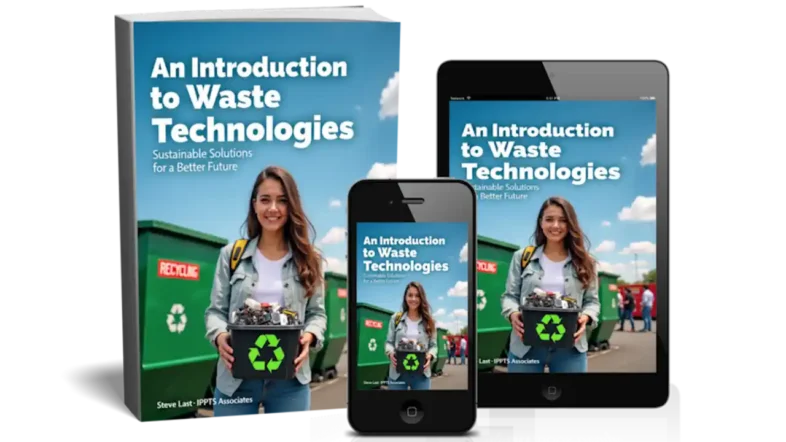
If you are looking for a waste management techniques PDF, a good starting point is the free ebook:
An Introduction to Waste Technologies
This short guide explains the main municipal waste treatment technologies in straightforward language and helps readers understand what the main processes do, where they fit, and why modern waste systems usually rely on a combination of methods.
It is ideal for readers who want a simple but useful introduction before moving on to more advanced material.
Get Your Introduction to Waste Management Techniques (Technologies) Ebook HereClick here to download the free waste management techniques PDF
What You Will Learn in the Free Ebook
- What the main waste treatment technologies do
- How recyclables are sorted in MRFs
- How composting and anaerobic digestion treat organics
- What MBT means in practice
- How Energy from Waste fits into the bigger system
- Why depackaging and front-end separation are growing in importance
- Why no single waste management technique solves everything
Who Should Download This Waste Management Techniques PDF?
This free guide is especially useful for:
- Students studying waste, environment, or sustainability topics
- Readers curious about how modern waste systems really work
- Waste and recycling staff wanting a broader overview
- Consultants and local authority readers new to the field
- People exploring job or business opportunities in the waste sector
From Free Introduction to More Advanced Reading
The free ebook is designed as a starting point.
Once you have read it, you may also want the more advanced companion guide:
Municipal Waste Treatment Technologies 2026
That concise professional ebook goes further into how the main technologies should be judged today, where they fit best, and what practical issues matter most in the modern waste sector.
Final Thoughts
If you are searching for a waste management techniques PDF, you are already asking the right question.
You are looking beyond the simple idea of waste disposal and toward the systems that actually make modern waste management work.
That is a worthwhile subject to explore.
It matters for recycling.
It matters for resource recovery.
It matters for business and jobs.
And it matters for the future of more efficient and practical waste systems.